Working with Your Group
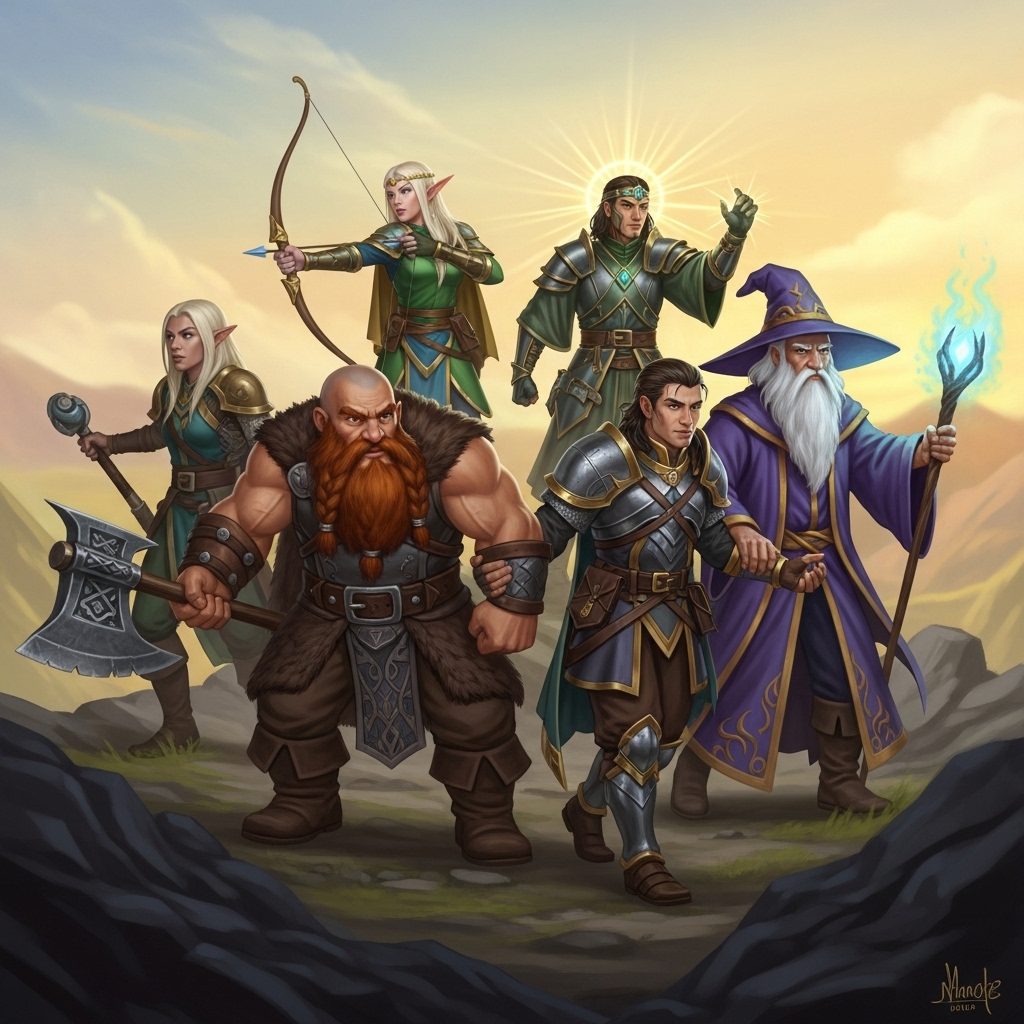
Tabletop RPGs are fundamentally social games. Learning to work well with your group will make the experience more enjoyable for everyone and create better stories together.
The Social Contract
Shared Expectations
Every gaming group has an unspoken agreement about how to play together:
- Everyone deserves to have fun - including the GM
- Everyone gets to participate - no one should dominate
- Respect each other as people and players
- Support the collaborative story rather than working against it
Communication is Key
- Speak up when something bothers you - don't let resentment build
- Ask before making major decisions that affect the group
- Be clear about your character's motivations so others can work with them
- Give constructive feedback when asked
Table Etiquette
Basic Courtesy
- Arrive on time and prepared
- Put away distractions (phones, laptops for non-game use)
- Pay attention when it's not your turn
- Don't talk over others - wait for breaks in conversation
- Clean up after yourself and help pack up
Food and Drink
- Ask before bringing food with strong smells
- Bring enough to share or coordinate with others
- Keep drinks away from character sheets and books
- Clean up spills immediately
Respect Game Materials
- Ask before handling someone else's dice or books
- Be careful with borrowed materials
- Don't write on other people's character sheets
- Return borrowed items promptly
Sharing the Spotlight
Everyone Gets Their Moment
Tabletop RPGs work best when everyone has chances to shine:
- Don't monopolize conversation with NPCs
- Let others use their special abilities in relevant situations
- Support other players' ideas even if they're not your first choice
- Ask quiet players what their characters think or want to do
Different Types of Players
Every group has different player types, and that's good!
The Leader
- Tends to make group decisions and guide discussions
- Support them by following reasonable plans
- Speak up if they're dominating too much
- Offer alternatives respectfully when you disagree
The Planner
- Wants to think through strategies and contingencies
- Be patient with their need to plan
- Contribute ideas to their planning process
- Remind them that perfect plans aren't always needed
The Comedian
- Keeps the mood light with jokes and humor
- Laugh at their jokes (when appropriate)
- Let them know if humor is disrupting serious moments
- Join in with appropriate humor of your own
The Quiet Player
- Participates but doesn't speak up as much
- Actively include them in discussions
- Ask their opinion on group decisions
- Don't speak for them - let them find their voice
The Rules Lawyer
- Knows the rules well and wants to apply them correctly
- Appreciate their knowledge - they can help everyone
- Remind them that fun is more important than perfect rules
- Support the GM's final decisions even when rules are bent
Character Relationships
Building Connections
Your characters should have reasons to work together:
- Develop bonds during character creation or early sessions
- Share backstory elements that connect your characters
- Create shared goals beyond just "we're all adventurers"
- Support each other's character arcs and personal stories
Handling Character Conflict
Some character disagreement is normal and can be fun:
Good Conflict
- Characters have different approaches to problems
- Friendly rivalry or competition
- Different moral perspectives that create interesting discussions
- Conflicts that can be resolved through roleplay
Bad Conflict
- Personal attacks disguised as "what my character would do"
- Consistently undermining other characters
- Creating conflict just to be difficult
- Conflicts that make other players uncomfortable
Resolving Issues
- Talk out of character if needed to clarify intentions
- Look for compromises that satisfy both characters
- Involve the GM if you can't resolve it yourselves
- Remember: Player cooperation is more important than character conflict
Communication Styles
In-Character Communication
- Stay true to your character while being a good teammate
- Give other characters information they need to make good decisions
- Express disagreement through your character when appropriate
- Support group cohesion even if your character is gruff or antisocial
Out-of-Character Communication
Know when to step outside the game:
- Strategy discussions that characters wouldn't have
- Rules clarifications
- Coordinating real-world logistics (scheduling, food, etc.)
- Addressing player concerns or conflicts
Reading the Room
Pay attention to social cues:
- Notice when someone seems frustrated or left out
- Check in with players who seem disengaged
- Adjust your approach if the mood needs to change
- Support players who are having a difficult time
Decision Making
Group Consensus
Most gaming decisions work best with group input:
- Discuss options before committing to major actions
- Listen to everyone's concerns and ideas
- Look for solutions that work for the whole group
- Accept majority decisions gracefully when you're outvoted
When Decisions Go Wrong
Sometimes the group makes bad choices - that's part of the game!
- Don't blame individuals for group decisions
- Learn from mistakes and adjust future strategies
- Turn failures into story opportunities
- Support each other through difficult consequences
Emergency Decisions
Sometimes there's no time for group discussion:
- Trust that others are making reasonable choices
- Support quick decisions during combat or emergencies
- Discuss afterwards if you have concerns
- Remember that split-second choices are hard
Supporting New Players
If You're Experienced
- Be patient with rules questions and slower decision-making
- Offer helpful suggestions without taking over
- Share your knowledge when asked, but don't lecture
- Model good table behavior for newcomers to follow
If You're All New
- Learn together and don't worry about mistakes
- Help each other with rules and character sheets
- Celebrate successes and laugh at failures
- Ask the GM for help when you need it
Managing Different Play Styles
Combat-Focused Players
- Love tactical challenges and optimized characters
- Support: Engage with their tactical discussions
- Balance: Make sure non-combat scenes get attention too
Roleplay-Focused Players
- Enjoy character development and story immersion
- Support: Engage with their character interactions
- Balance: Don't let roleplay slow down action scenes
Exploration-Focused Players
- Want to discover secrets and explore the world
- Support: Follow up on their investigation ideas
- Balance: Don't get stuck investigating every detail
Problem-Solving Players
- Enjoy puzzles, mysteries, and creative solutions
- Support: Contribute to their brainstorming sessions
Dealing with Problems
Common Issues
The Spotlight Hog
Signs: Always speaks first, makes decisions for others, dominates conversations Solutions:
- Politely interrupt: "Let's hear what [other player] thinks"
- Address directly: "I'd like to try something different"
- Talk to GM: If the behavior continues
The Silent Treatment
Signs: Player checks out mentally, stops participating, seems frustrated Solutions:
- Check in privately: "Hey, you seem quiet tonight. Everything okay?"
- Create opportunities: "What does [their character] think about this?"
- Address root causes: Maybe they're feeling left out or confused
The Rules Argument
Signs: Frequent disputes about rules, slowing down game flow Solutions:
- Support GM authority: "Let's go with [GM's] ruling and look it up later"
- Suggest breaks: "Can we discuss this after the session?"
- Focus on fun: "What would make the coolest story?"
When to Speak Up
- Safety issues: Inappropriate content, harassment, making players uncomfortable
- Persistent problems: Issues that affect everyone's enjoyment
- Clarification needed: When you're confused about expectations or rules
- Positive feedback: When someone does something really cool!
Building Long-Term Relationships
Between Sessions
- Stay in touch with the group through texts or social media
- Share excitement about upcoming sessions or character ideas
- Plan character interactions or strategies
- Coordinate schedules for regular play
Growing Together
- Celebrate milestones like character level-ups or story achievements
- Reflect on campaigns and what you've enjoyed most
- Try new things together - different characters, campaigns, or even games
- Support each other in other aspects of life too
When Groups Change
- Welcome new players warmly and help them integrate
- Say goodbye properly when players leave
- Adapt to new dynamics as the group evolves
- Maintain friendships even if the game ends
Creating Great Stories Together
Yes, And...
Borrow from improvisational theater:
- Build on others' ideas rather than shutting them down
- Add to the story that others are creating
- Find ways to make things work rather than reasons they won't
- Embrace unexpected directions the story takes
Shared Victories
The best gaming moments come from teamwork:
- Set up others for heroic moments
- Celebrate together when plans work out
- Support each other through character struggles
- Create stories you'll remember years later
Remember: The goal isn't to "win" at tabletop RPGs - it's to create amazing stories and have fun with friends. When everyone works together toward that goal, the magic happens naturally.
Next: Ready to learn about being a Game Master? Check out the GM section!