What is a Game Master?
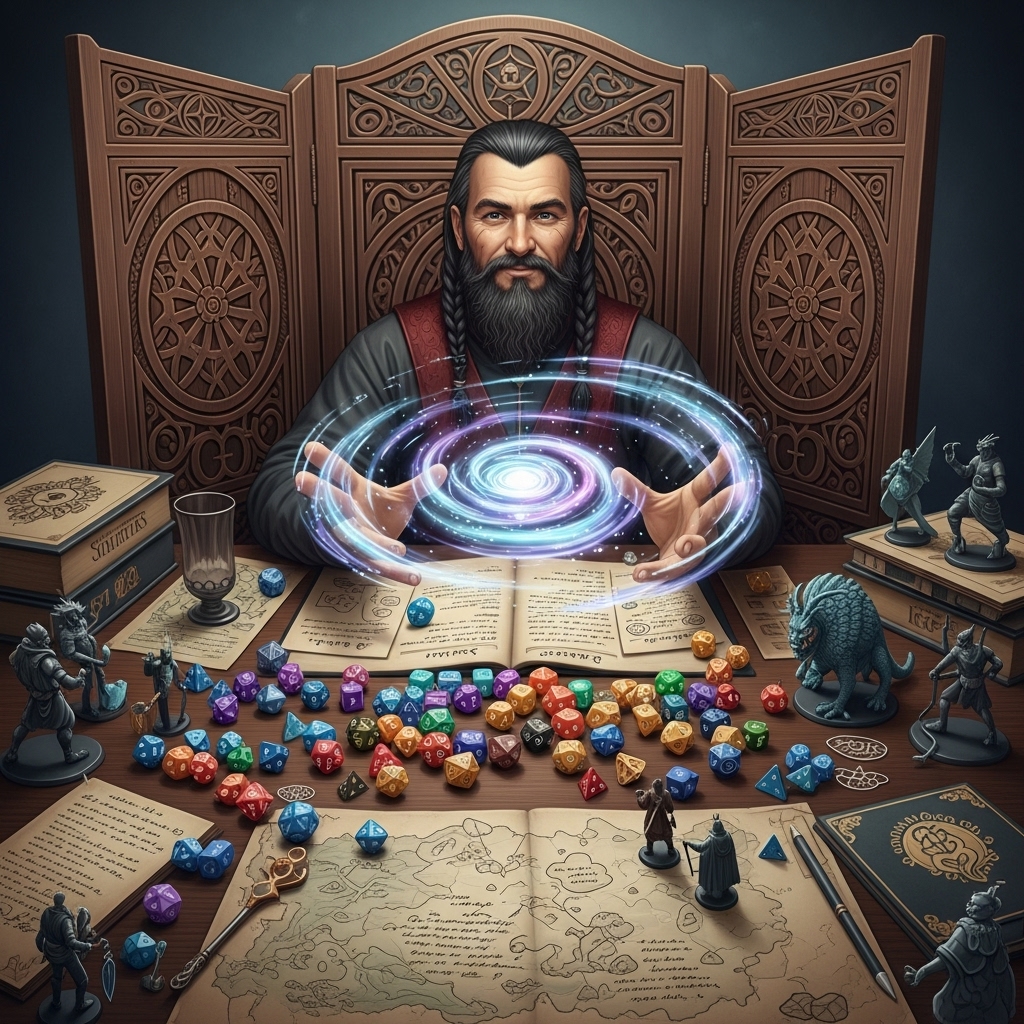
Being a Game Master (GM) is one of the most rewarding experiences in tabletop RPGs. You get to create worlds, bring characters to life, and help your friends tell amazing stories together. If you're thinking about GMing, this guide will help you understand what it's all about.
What Does a GM Do?
The World Builder
As a GM, you create and describe the world where adventures happen:
- Set the scene - describe locations, weather, atmosphere
- Control NPCs - bring non-player characters to life with personalities and goals
- Manage the environment - decide what's around the corner, behind the door, or across the river
- Create consequences - determine how the world reacts to player actions
The Referee
You help interpret rules and make decisions:
- Apply game rules fairly and consistently
- Make judgment calls when rules are unclear
- Resolve disputes about what's possible or how things work
- Keep the game moving smoothly and at a good pace
The Facilitator
You help everyone have fun and participate:
- Give each player moments to shine
- Present challenges appropriate to the group's level
- Guide the story while letting players make meaningful choices
- Maintain the game's tone and atmosphere
The Improvisational Actor
You bring the world to life through performance:
- Voice different NPCs (though accents aren't required!)
- Describe actions and results in engaging ways
- React to unexpected player choices with creativity
- Build on player ideas to create collaborative stories
Common GM Misconceptions
"The GM is the Enemy"
Reality: The GM's job is to create fun challenges, not to defeat the players. You want the heroes to succeed - but not too easily!
"You Need to Know All the Rules"
Reality: No one knows every rule. You need to know the basics and be comfortable making fair rulings when unsure. You can always look things up later.
"You Have to Be a Great Actor"
Reality: While some GMs love doing voices and dramatic performances, it's not required. Clear descriptions and enthusiasm matter more than acting ability.
"You Control Everything"
Reality: Players have agency over their characters and choices. Your job is to present situations and respond to what they do, not control their decisions.
"You Need Hours of Preparation"
Reality: While preparation helps, many great sessions come from minimal prep and lots of improvisation. Start simple and build up.
What Makes a Good GM?
Essential Qualities
Fairness
- Apply rules consistently for all players
- Give everyone equal opportunities to participate
- Don't play favorites or hold grudges
- Make decisions based on what's best for the group's fun
Flexibility
- Adapt when players do unexpected things
- Be willing to change plans if something more interesting emerges
- Say "yes" to reasonable player ideas when possible
- Roll with mistakes and turn them into story opportunities
Communication
- Describe scenes clearly and vividly
- Listen to what players want and respond appropriately
- Ask questions to understand player intentions
- Give clear feedback about rules and consequences
Enthusiasm
- Show excitement about the story and world
- React positively to player creativity and success
- Maintain energy throughout the session
- Share your love of the game with others
Skills You'll Develop
Creative Problem Solving
- Coming up with challenges and obstacles
- Finding ways to make player ideas work
- Turning unexpected situations into story opportunities
- Balancing different player interests and styles
Time Management
- Keeping sessions moving at a good pace
- Balancing different types of scenes (combat, exploration, roleplay)
- Knowing when to cut scenes short or extend them
- Managing session length and breaks
Group Dynamics
- Reading the room and adjusting accordingly
- Helping shy players participate more
- Managing dominant personalities tactfully
- Building team cohesion and cooperation
Different GM Styles
The Storyteller
- Focuses on narrative arcs and character development
- Emphasizes dramatic moments and emotional beats
- Often has detailed world lore and backstory
- Good for: Players who love immersive roleplay
The Tactical Challenger
- Creates complex combat encounters and puzzles
- Focuses on strategic gameplay and resource management
- Enjoys rules mastery and optimization challenges
- Good for: Players who love tactical thinking
The Improviser
- Makes up details on the spot based on player actions
- Lets the story emerge naturally from play
- Comfortable with uncertainty and surprises
- Good for: Players who love unpredictable adventures
The World Builder
- Creates detailed settings with rich history and culture
- Enjoys describing environments and locations
- Often has extensive notes about the game world
- Good for: Players who love exploration and discovery
Note: Most GMs blend elements from all these styles!
The GM's Responsibilities
Before the Session
- Prepare the basic outline of what might happen
- Review character sheets to understand player abilities and goals
- Gather materials you'll need (dice, notes, maps)
- Set up the playing space comfortably
During the Session
- Start and end on time respectfully
- Keep track of important details and rules
- Ensure everyone participates and has fun
- Make fair rulings quickly to keep the game moving
- Adapt to player choices creatively
After the Session
- Reflect on what went well and what could improve
- Take notes about ongoing storylines and character development
- Check in with players about their experience
- Plan for the next session based on where things ended
What Players Want from Their GM
Clear Communication
- Describe scenes with enough detail to visualize
- Explain the consequences of potential actions
- Give feedback about how rules work
- Set expectations about game tone and content
Fair Challenge
- Present obstacles that are difficult but not impossible
- Scale encounters appropriately for the party's capabilities
- Reward creative thinking and good teamwork
- Make failure interesting rather than just punishing
Engagement with Their Characters
- Remember their backstories and incorporate them into the game
- Give them opportunities to use their unique abilities
- React to their character development and growth
- Support their character goals and motivations
Consistency
- Apply rules the same way each time
- Maintain the world's internal logic
- Follow through on established consequences
- Keep NPCs true to their established personalities
Rewards of Being a GM
Creative Fulfillment
- Build entire worlds limited only by your imagination
- Create memorable NPCs that players talk about for years
- Craft interesting challenges and watch players overcome them
- Tell collaborative stories that surprise even you
Social Connection
- Bring friends together for shared experiences
- Help others discover the joy of roleplaying
- Create lasting memories and inside jokes
- Build deeper friendships through shared storytelling
Personal Growth
- Develop confidence in public speaking and improvisation
- Improve creativity and problem-solving skills
- Learn to read people and manage group dynamics
- Practice leadership and facilitation skills
Unique Perspective
- See your friends explore different aspects of their personalities
- Experience the joy of players succeeding at challenges you created
- Enjoy surprises when players do things you never expected
- Feel pride in creating experiences others remember fondly
Is GMing Right for You?
You Might Enjoy GMing If:
- You love telling stories or creating fictional worlds
- You enjoy helping others have fun and succeed
- You're comfortable being the center of attention sometimes
- You like creative problem-solving and thinking on your feet
- You want to try a different perspective on tabletop RPGs
You Might Want to Start as a Player If:
- You're completely new to tabletop RPGs and want to learn the basics first
- You prefer following along rather than leading
- You want to focus on developing one character deeply
- You're not comfortable with the spotlight or making decisions for others
Remember:
- You can always try both - many people enjoy both playing and GMing
- It's okay to start small - run a one-shot adventure first
- You don't have to be perfect - everyone improves with practice
- Your group will help - experienced players often love helping new GMs
Getting Started
If you're interested in GMing, you don't need to dive into a year-long campaign immediately. Consider:
- Watch others GM to see different styles in action
- Start with a simple one-shot adventure (single session)
- Use pre-written adventures initially to reduce preparation time
- Ask experienced GMs for advice and feedback
- Remember that mistakes are normal and part of learning
The most important thing is enthusiasm for creating fun experiences with your friends. If you have that, you can learn everything else through practice!
Next: Learn how to prepare for your first session as a GM.